When a Desiccant Dryer Is the Right Choice for Your Facility
When facility managers think about their compressed air system, the air compressor typically gets most of the attention. While the compressor is the heart of the system, the refrigerated air dryer is one of the most important components for ensuring reliable operation, protecting equipment, and maintaining product quality.
Without proper industrial air treatment, moisture can create a wide range of problems throughout your facility, leading to increased maintenance costs, reduced efficiency, and unplanned downtime. A properly maintained refrigerated dryer helps eliminate these risks and protects your investment in compressed air equipment.
What Does a Refrigerated Air Dryer Do?
Compressed air naturally contains moisture. As air is compressed, water vapor becomes concentrated and can condense into liquid water throughout the system.
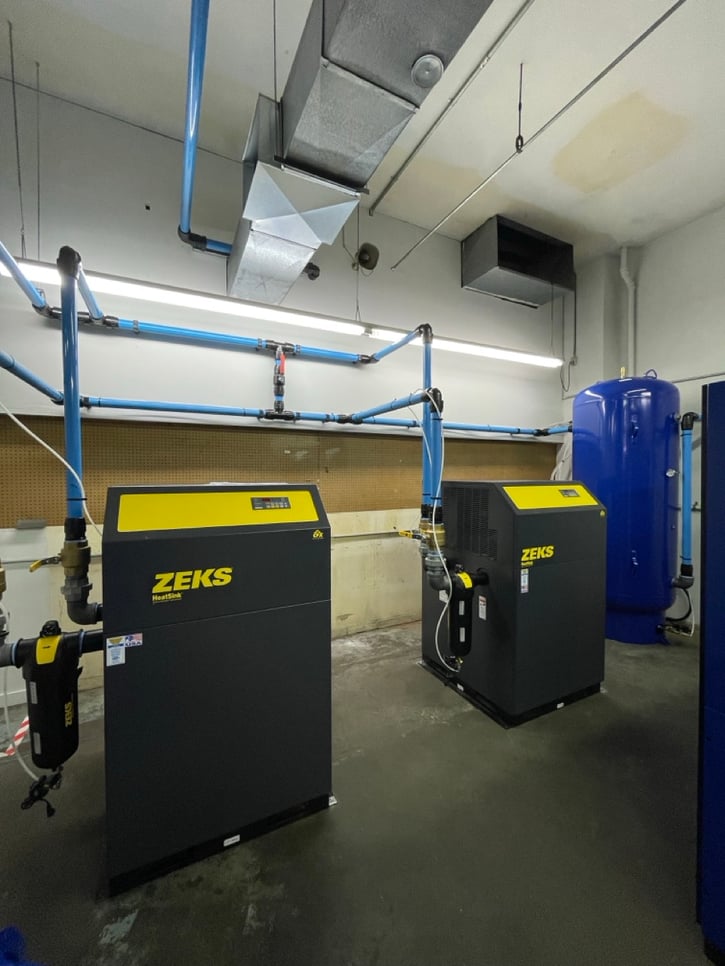
A refrigerated air dryer removes this moisture by actively cooling the compressed air to a temperature where water vapor condenses. The condensed moisture is then separated and drained from the system before the air continues downstream.
The result is cleaner, drier air that helps improve system reliability and operational efficiency.
Why Moisture Is a Problem in Compressed Air
Many facilities underestimate just how much water can be generated in a compressed air system. Even a relatively small system can produce significant amounts of condensate during normal operation.
When moisture is allowed to travel through the system, it can cause:
Corrosion
Water can lead to rust and corrosion inside piping, receivers, and downstream equipment. Over time, corrosion can weaken compressed air system components and increase maintenance requirements.
Equipment Damage
Moisture can damage pneumatic tools, actuators, valves, and production equipment. Water contamination often leads to premature wear on industrial air compressors and unexpected failures.
Product Quality Issues
For manufacturers in industries such as food processing, packaging, automotive, electronics, and pharmaceuticals, moisture contamination can directly impact product quality and consistency.
Increased Maintenance Costs
Excess moisture creates additional wear on filters, drains, and other system components, often resulting in more frequent compressor repairs and replacements.
Main Benefits of a Refrigerated Air Dryer
Installing a refrigerated dryer after your industrial compressed air system and before your downstream equipment provides several important advantages.
Protects Equipment
Dry compressed air helps extend the life of compressors, piping systems, pneumatic equipment, and production machinery.
Improves Product Quality
Consistent air quality helps ensure reliable manufacturing processes while reducing the risk of contamination.
Reduces Downtime
Keeping moisture out of the system helps prevent issues that can lead to costly interruptions and emergency repairs.
Lowers Operating Costs
By minimizing corrosion, equipment failures, and maintenance requirements, refrigerated dryers can help reduce the total cost of ownership for your compressed air system.
Enhances System Reliability
A properly functioning dryer ensures a steady supply of clean, dry air that production teams can depend on day after day.
Common Signs of Dryer Problems
Like any piece of equipment, refrigerated dryers require routine inspection and maintenance.
Some common warning signs include:
- Water in compressed air lines
- Excess moisture at points of use
- Increased pressure drop
- Condensate drain failures
- Frequent alarms or shutdowns
- Rust inside piping systems
- Reduced air quality
Ignoring these symptoms can allow minor issues to develop into larger system problems.
The Importance of Air Treatment Preventive Maintenance
A refrigerated dryer is only effective when it is properly maintained and operating as designed. Routine preventive maintenance for air treatment equipment, including dryers and filters, helps maintain air quality, optimize system performance, and reduce the risk of failures that can impact production.
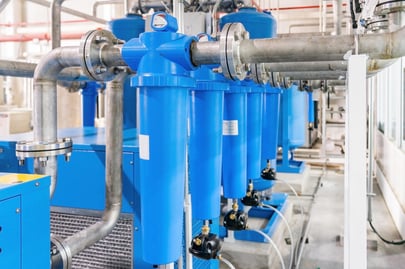 Preventive maintenance of refrigerated dryers may include:
- Cleaning condenser coils
- Inspecting heat exchangers
- Testing automatic drains
- Checking refrigerant performance
- Replacing filters as needed
- Inspecting electrical components
- Verifying overall system operation
Regular service not only improves reliability but also helps maximize the lifespan of the equipment.
The Bottom Line
Moisture poses a risk:
Compressing air naturally concentrates water vapor, which can damage piping and downstream pneumatic equipment.
Refrigerated dryers provide essential protection:
By cooling the compressed air, these dryers force moisture to condense so it can be safely drained away before reaching your downstream equipment and production floor.
Routine maintenance protects your investment:
Regular inspections and preventive maintenance are critical to keeping your dryer operating efficiently and extending the lifespan of your entire system.
Keep Your Production Running with Proper Air Treatment
A refrigerated air dryer is much more than an accessory. It is a critical component that protects equipment, improves product quality, reduces maintenance costs, and supports reliable plant operation.
Whether you're installing a new compressed air system or maintaining an existing one, investing in proper air treatment is one of the most effective ways to improve overall system performance.
Optimize Your Compressed Air System with Rasmussen Air & Gas Energy
At Rasmussen Air & Gas Energy, we help customers evaluate, maintain, and optimize their compressed air systems to ensure long-term reliability and efficiency. From refrigerated dryers and filtration systems to compressors and complete system solutions, our team has the expertise to help keep your operation running at its best.
Rasmussen Air and Gas Energy manufactures, rents, sells, and services industrial air compressor systems and compressed gas equipment. We support food and beverage, healthcare, manufacturing, agriculture, and other energy intensive industries with engineered compressed air system design, deployment, and lifecycle solutions that maximize productivity and manage flow for measurable financial performance.