How to Choose Between a Refrigerated and Desiccant Air Dryer
An industrial compressed air system rarely fails without warning. In most cases, your equipment provides clues that something is wrong long before systems seize and production comes to a sudden stop.
Recognizing these warning signs early can help your facility avoid unexpected downtime, costly emergency repairs and lost productivity. Here are five signs your compressed air system may be heading toward failure.
5 Early Warning Signs of Compressed Air System Failure
1. Unusual Noises or Excessive Vibration
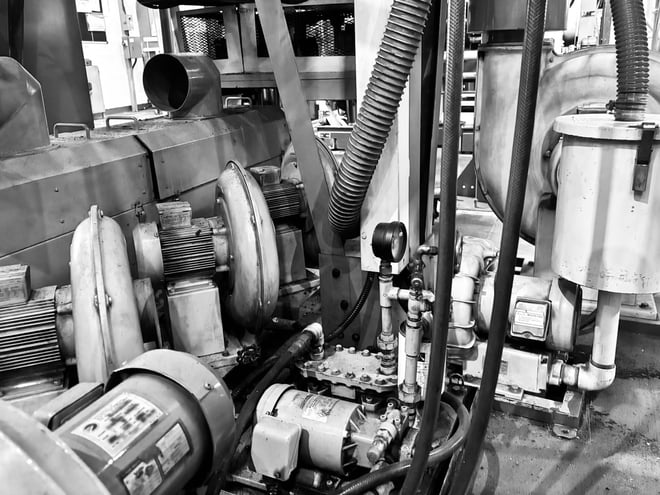
Your industrial air compressor should operate with a relatively consistent sound and vibration level. New rattling, grinding, knocking or squealing noises may indicate loose components, worn bearings, alignment issues or internal mechanical damage.
Excessive vibration can also place additional stress on piping, connections and other essential system components. If your equipment suddenly sounds or feels different, it is worth investigating immediately before a small issue becomes a major repair.
2. Inconsistent System Pressure
Pressure that frequently drops, fluctuates or struggles to meet your production demand can signal a larger compressed air system problem. Possible causes include:
- Air leaks
- Clogged filters
- Failing controls
- Improper compressor sequencing
- Insufficient air storage
- A compressor that is no longer performing as designed
Low pressure does not always mean your facility needs to invest in a larger air compressor. A professional system evaluation can help identify whether the problem is with the compressor itself or elsewhere in the system.
Already noticing issues with your compressed air system?
Schedule repair service today and get ahead of a potential breakdown.
3. Rising Energy Costs
Compressed air is often one of the largest energy expenses in an industrial facility. If your electricity usage is increasing without a corresponding increase in production volume, your system may be operating inefficiently.
Air leaks, improper use, a system pressure set too high, dirty filters, and poorly performing equipment can all cause an air compressor to work harder than necessary. Monitoring energy consumption can reveal declining compressor performance before the system fails.
4. Excessive Heat or Frequent Shutdowns
Air compressors naturally generate heat, but consistently high operating temperatures are a warning sign. Overheating may be caused by restricted ventilation, dirty coolers, low fluid levels, lubrication problems or excessive operating demands.
Modern air compressors may shut down automatically to protect the equipment when temperatures rise too high. If your compressor is experiencing repeated temperature alarms or shutdowns, simply restarting it without addressing the underlying cause could lead to severe additional damage.
5. Increased Moisture or Contamination
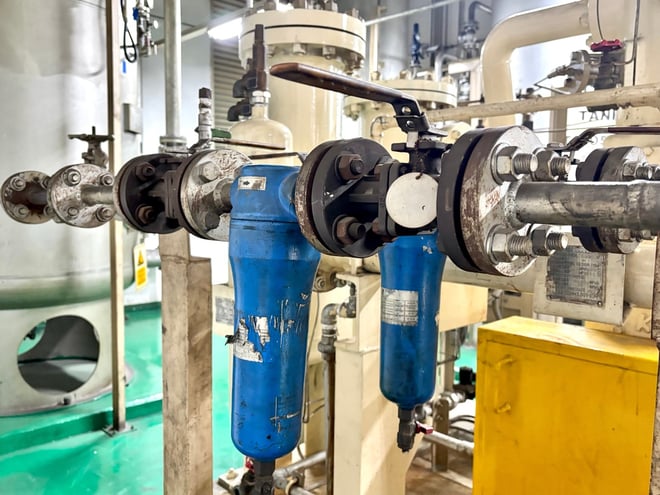
Unexpected water, oil or particulate contamination in your compressed air supply can indicate problems with dryers, drains, filters or other system components. Contaminated air can damage pneumatic equipment, negatively affect product quality and create serious problems in sensitive applications.
Changes in air quality should be addressed quickly—especially in food and beverage, pharmaceutical, manufacturing and other environments where clean, dry air is critical.
What to Do If You Notice These Warning Signs
If you or your team is starting to notice these issues in your facility, it's not a question of if your compressed air system will fail, but rather how soon.
If these warning signs start appearing in your system, do not ignore them or continue running equipment that is showing signs of serious issues.
- Do document any unusual sounds, temperature fluctuations, pressure changes, or system cycling.
- Do address the issue before a minor repair becomes a system-wide failure by contacting a qualified compressed air technician for a professional evaluation.
Key Considerations
- Spot the Signs: Unusual noises and excessive vibrations are often the first indicators of mechanical wear or internal damage to the compressed air system.
- Track Performance: Inconsistent system pressure and an unexplained jump in energy costs usually point to air leaks, clogs, or inefficient equipment.
- Monitor Temperature and Quality: Frequent compressor shutdowns from excessive heat or new moisture contamination in your system's air lines require immediate attention to protect your downstream equipment and production.
- Be Proactive: Respond promptly to any warning signs right away and call a professional technician before a small fix turns into a complete production halt.
Stop Failures Before They Stop Your Production
An unexpected compressed air failure can disrupt your production schedule, increase operating costs and leave your team scrambling for a temporary solution. Routine preventive maintenance and proactive system monitoring can help identify problems while they are still manageable.
If your compressed air system is showing any of these warning signs, Rasmussen Air & Gas Energy can help. Our experienced team will evaluate your equipment and overall system performance, identify the root cause of the problem and recommend practical next steps to improve system reliability and efficiency.
Don't wait for a seemingly small issue to turn into a complete system breakdown. Schedule your compressed air system evaluation today to get ahead of hidden problems, protect your production, and keep your facility running at peak performance.
Rasmussen Air and Gas Energy manufactures, rents, sells, and services industrial air compressor systems and compressed gas equipment. We support food and beverage, healthcare, manufacturing, agriculture, and other energy intensive industries with engineered compressed air system design, deployment, and lifecycle solutions that maximize productivity and manage flow for measurable financial performance.