5 Signs Your Compressed Air System Is About to Fail
Moisture is an unavoidable byproduct of compressed air production. If it is not properly removed, that moisture can cause corrosion, damage equipment, contaminate products and lead to costly downtime.
Most facilities use either a refrigerated or desiccant air dryer to control moisture. While refrigerated dryers are sufficient for many general manufacturing applications, some highly sensitive operations require the significantly lower dew points provided by a desiccant dryer.
So, how do you know if your operation needs to make the switch? Deciding between these drying technologies ultimately comes down to your specific environmental and production needs. Below, we'll look at 5 signs that a desiccant dryer may be the right choice for your facility and help you determine if it's the right solution for your operation.
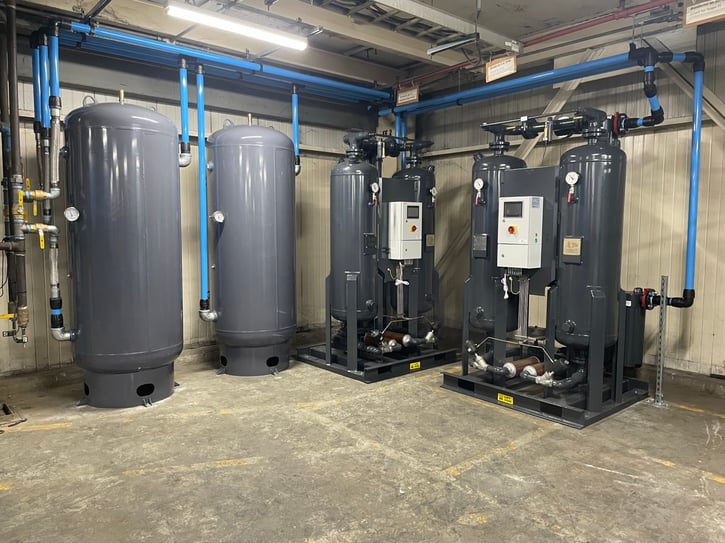
When Should You Consider a Desiccant Dryer?
5 Signs a Desiccant Dryer Could Be The Right Choice
1. Your Facility Requires Extremely Dry Air
A refrigerated dryer typically provides an appropriate dew point for indoor, general-purpose manufacturing. However, it may not remove enough moisture for highly sensitive processes.
A desiccant dryer may be necessary when even the smallest amounts of water vapor could affect product quality, damage equipment or interrupt production.
Applications that frequently require very dry air include:
- Food and beverage processing
- Pharmaceutical manufacturing
- Electronics production
- Instrumentation and control systems
- Chemical processing
- Painting and finishing
- Medical or laboratory environments
The correct dew point should always be based on the specific needs of your application rather than selecting the driest air possible.
2. Compressed Air Lines Are Exposed to Freezing Temperatures
If your facility's industrial compressed air piping runs outdoors or through unheated areas, residual moisture in the system can freeze when temperatures drop. This built-up ice can restrict airflow, block valves and even damage pneumatic equipment.
A good rule to follow is to maintain a pressure dew point that falls below the lowest temperature your compressed air system will experience during the year. When compressed air piping is exposed to freezing conditions, investing in a desiccant dryer is often the best way to reduce that risk and prevent downtime.
3. Moisture Could Contaminate Your Product
In some facilities, compressed air comes into direct or indirect contact with the final product. Excess moisture in your air supply can negatively affect product quality, shelf life, appearance or overall safety.
Industries with strict air-quality requirements may need a desiccant dryer as part of a larger air treatment system that also includes filters, drains and other conditioning equipment. The entire compressed air system should be strategically designed around the appropriate compressed air quality standard for the specific application.
4. Your Equipment Is Sensitive to Moisture
Pneumatic instruments, sensitive controls and production equipment can be especially vulnerable to wet compressed air. Unchecked moisture may cause corrosion, sticking valves, inaccurate readings and premature component failure.
For instance, advanced machinery like CNC machines, automated robotic arms, and precision measuring tools can experience significant damage from even trace amounts of water vapor.
If your facility's reliability depends on clean, extremely dry air, a desiccant dryer can help protect critical equipment and reduce moisture-related maintenance and downtime.
Find the Right Drying Solution
Whether you're replacing an existing dryer or designing a new compressed air system, our team can help you select the right solution for your application.
5. A Refrigerated Dryer Is Not Meeting Your Needs
Visible water or moisture downstream of a refrigerated dryer does not automatically mean the facility needs to upgrade to an industrial desiccant dryer. The existing compressed air dryer could be undersized, poorly maintained or operating outside its specified design conditions.
Before replacing it with a brand new unit, consider whether the compressed air system has:
- Adequate air dryer capacity for current production levels
- Proper condensate drainage
- Clean filters and heat exchangers
- Appropriate ambient operating temperatures
- Changes in airflow demand
- Excessive pressure or temperature at the dryer inlet
A professional compressed air system evaluation can determine whether the current dryer needs routine service, a total replacement or support from a different drying technology.
Important Considerations Before Selecting a Desiccant Dryer
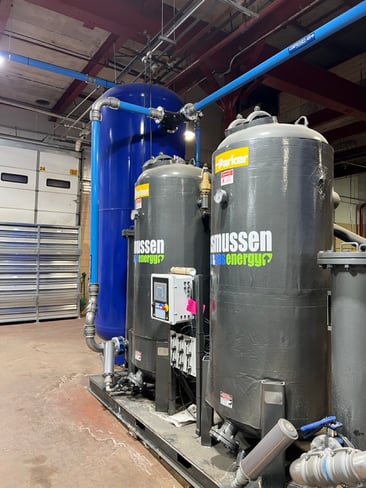 Desiccant dryers provide extremely dry air, but they may require more energy and maintenance than refrigerated dryers. Depending on the specific system design, some models use a portion of the dried compressed air to regenerate the desiccant. The desiccant material must also be inspected and replaced periodically to maintain peak performance.
Before choosing a new industrial air dryer, evaluate the following factors:
- Required pressure dew point
- Current and future airflow demand
- Inlet air temperature and system pressure
- Ambient operating conditions in your facility
- Energy consumption
- Regeneration method
- Ongoing maintenance requirements
- Upstream and downstream filtration needs
- Initial investment and long-term operating costs
The best dryer is not necessarily the one that produces the lowest possible dew point. It is the one that consistently meets your facility’s specific air-quality requirements without wasting energy and running up operating costs.
Choose the Right Dryer for Your Application
A desiccant dryer is often the right choice when your production processes require extremely dry air, your system's piping is exposed to freezing temperatures, or excess moisture could compromise critical equipment or product quality.
If you're unsure where to start, Rasmussen Air & Gas Energy can evaluate your compressed air demand, operating conditions and air-quality requirements to help determine which dryer technology is the best fit for your facility. Contact our team today to schedule a system assessment and protect your production.
Rasmussen Air and Gas Energy manufactures, rents, sells, and services industrial air compressor systems and compressed gas equipment. We support food and beverage, healthcare, manufacturing, agriculture, and other energy intensive industries with engineered compressed air system design, deployment, and lifecycle solutions that maximize productivity and manage flow for measurable financial performance.